

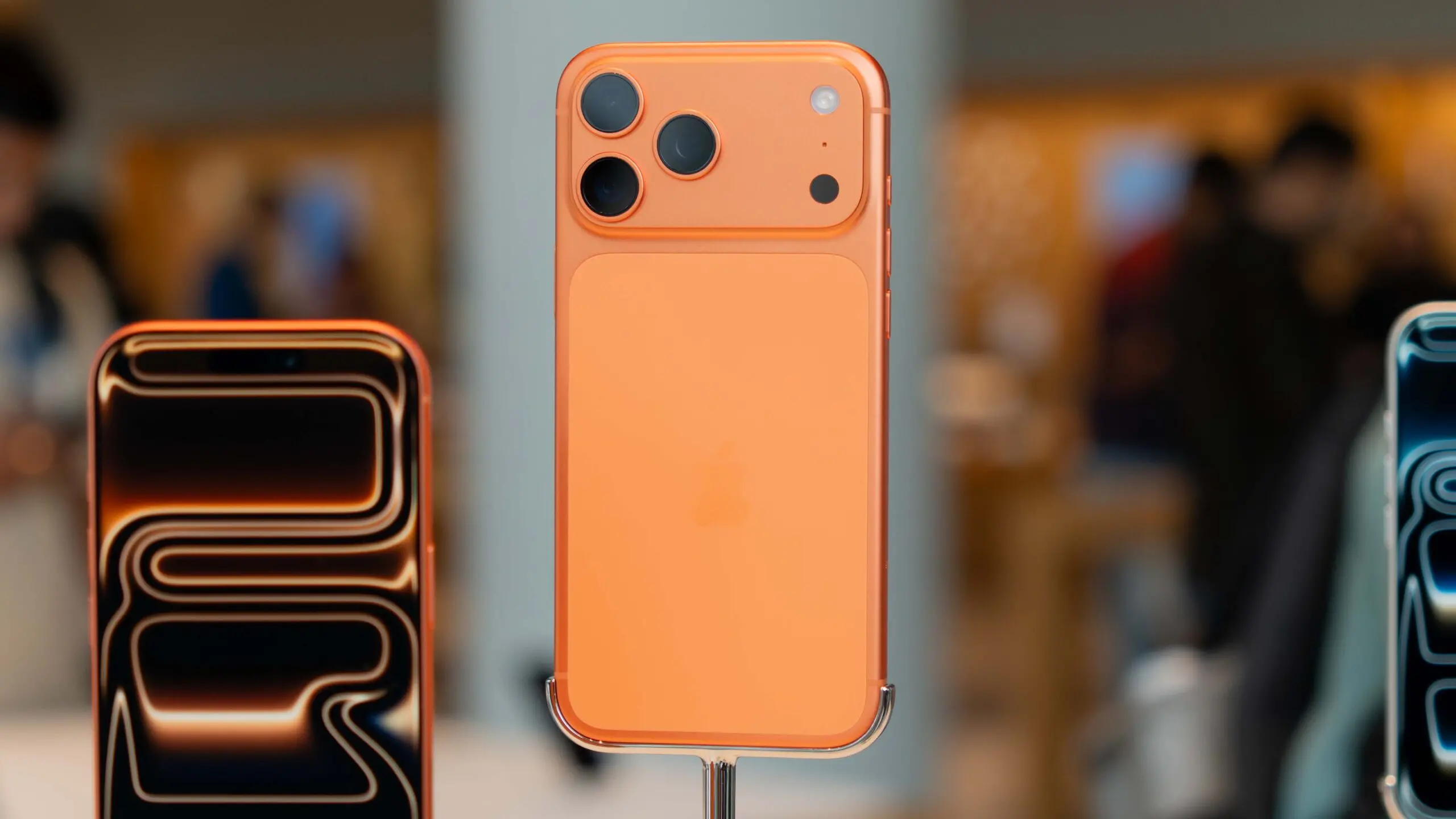
Apple is reportedly developing a new anti-theft feature for iPhones that would automatically lock the device if it is snatched from a user's hands. The feature, which is said to be under active development, mirrors a capability already available on Android devices since the release of Android 15. Known as Theft Detection Lock on Android, this type of protection uses motion sensors and artificial intelligence to detect sudden movements indicative of a phone being grabbed and taken away rapidly, such as by running, biking, or driving.
The move would address a significant security gap in Apple's current ecosystem. While existing tools like Stolen Device Protection and Find My offer robust safeguards after a device is lost or stolen, they do little to prevent unauthorized access during the critical moments immediately after a phone is physically taken from a user who is actively holding it. Once an iPhone is snatched while unlocked, an attacker could potentially access apps, change settings, or even disable security features before the owner can react.
How the Feature Might Work
According to insiders familiar with the development, Apple's solution would rely on a combination of data points. The primary trigger is expected to be accelerometer data, which can detect the characteristic motion of a phone being pulled away from a person's hand at an unusual speed or angle. This is similar to how Android's Theft Detection Lock analyzes sudden changes in motion patterns. However, Apple is taking the concept a step further by also considering the distance from a paired Apple Watch. If the iPhone detects that it has moved a significant distance from the watch in a short time, it would interpret that as a likely snatch and automatically lock the screen.
Additionally, the system would apply the same location-based rules used by Apple's Stolen Device Protection. If the iPhone is in a familiar location, such as the user's home or workplace, the automatic lock might not be triggered, reducing false positives. But if the snatch is detected in an unfamiliar area, the device would not only lock but also restrict access to sensitive settings—such as changing the Apple ID password or disabling Face ID—until the user proves their identity again.
Comparison with Android's Implementation
Android's Theft Detection Lock, which debuted as part of Google Play Services updates and is now a core feature in Android 15, uses machine learning models to differentiate between everyday phone movements and theft-related motions. It also includes additional triggers: if the phone remains offline for an extended period after being disconnected from the network, or if repeated failed authentication attempts are detected, it will lock itself and require Google account verification. Apple's likely version includes these same offline and failed-attempt measures, but the distance-from-Apple-Watch feature is unique to the iPhone ecosystem.
Both approaches aim to solve the same problem: a phone snatched while unlocked gives thieves immediate access to personal data, banking apps, and two-factor authentication tokens. Current security measures, such as device encryption and remote wipe capabilities, are reactive rather than proactive. The automatic theft detection lock is a proactive barrier that can confuse thieves and buy precious time for the owner to mark the device as lost or contact the authorities.
Background: Apple's Existing Security Measures
Apple has long prioritized device security. Find My offers precise location tracking and the ability to remotely lock or erase a device. Stolen Device Protection, introduced in iOS 17.4, requires Face ID or Touch ID for high-risk actions like changing the Apple ID password, even if the passcode is known. However, these protections assume the device is lost or stolen after it has been locked. They do not prevent an attacker from walking away with an unlocked phone that the owner is holding, perhaps during a phone call or while paying at a store.
Phone snatching is a growing concern, especially in crowded urban areas and near public transportation. Thieves often target people who are distracted, holding their phones with one hand, and quickly grab the device and flee. In many cases, the thief uses the unlocked phone to access banking apps, transfer money, or steal contacts before the victim can act. Some criminals even attempt to reset the device immediately by removing the SIM card and connecting to Wi-Fi to bypass activation lock.
Industry Trends and Future Outlook
The development of such a feature by Apple underscores a broader industry trend toward proactive security. Mobile operating systems are increasingly integrating AI-driven detection capabilities that go beyond simple passcodes or biometrics. For example, Samsung has integrated theft detection into its One UI 6.1 update, and other OEMs are expected to follow. The European Union's Cyber Resilience Act and similar regulations are also pushing manufacturers to embed security features at the hardware and software level.
If Apple successfully implements this feature, it would close a loophole that has existed since smartphones became ubiquitous. The feature would also benefit from the deep integration between iPhone and Apple Watch. Since many users wear an Apple Watch regularly, the distance sensor provides a reliable secondary indicator of theft. For users who do not own an Apple Watch, the feature would still work based on accelerometer alone, albeit with potentially slightly lower accuracy.
Another aspect under consideration is how the feature interacts with Apple's privacy stance. All data processing would be done on-device, using the same secure enclave that powers Face ID and other sensitive operations. No motion data would be sent to Apple servers, preserving user privacy. The machine learning model used to detect theft would be trained on anonymized data, but the actual inference happens locally.
The exact release timeline remains unknown. However, given that the feature is under active development and is mentioned in internal build logs, it could appear in iOS 19 or a mid-cycle update to iOS 18 later this year. Leaked code suggests that Apple is testing multiple scenarios, including thefts from pockets, bags, and hands, to minimize false positives.
For now, users who want similar protection on iPhones can enable Stolen Device Protection and set up strong passcodes and Face ID. They can also rely on the existing Find My network, which crowdsources location data from millions of nearby Apple devices. But once the automatic snatch detection feature arrives, iPhone owners will have an extra layer of security that kicks in the instant a thief tries to make off with their device.
This development highlights how smartphone security is evolving from static measures to intelligent, context-aware responses. As thieves become more sophisticated, so too must the tools that protect our most personal data stored on our phones. Apple's move to adopt a theft detection lock—a concept pioneered by Android—is a welcome step in that direction.
Source: Android Authority News