

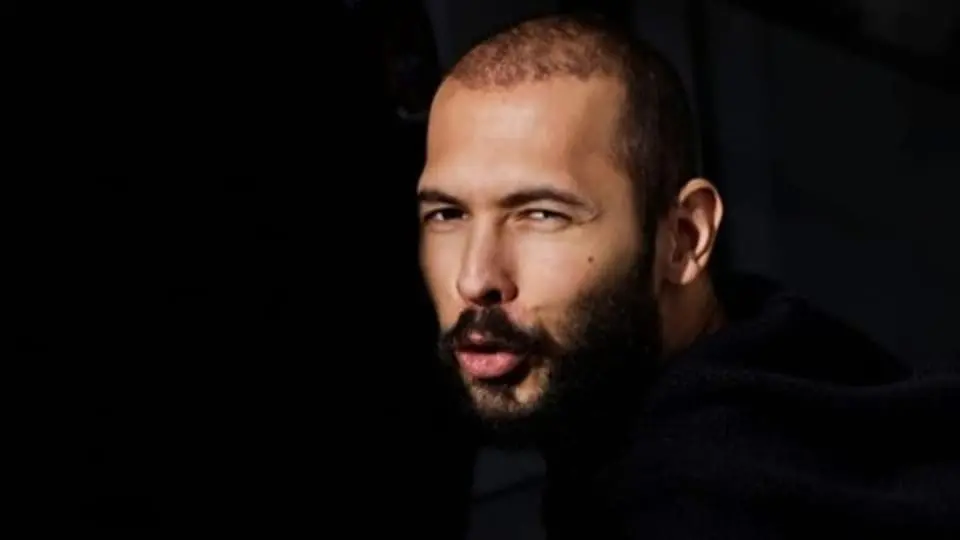
Andrew Tate, a 36-year-old British-American former kickboxer, has become one of the most polarizing influencers of the digital age. Known for his lavish displays of wealth—fast cars, expensive cigars, and luxury yachts—Tate's content often includes controversial views on gender roles, success, and masculinity. His rhetoric, frequently described as misogynistic and homophobic, has led to bans from multiple social media platforms. Yet, his popularity continues to soar, particularly among young men who see him as a symbol of unfiltered confidence and rebellion against societal norms.
Background and Rise to Fame
Born in Washington, D.C., and raised in Luton, England, Andrew Tate discovered kickboxing at a young age. He won multiple world championships in the sport, including ISKA world titles, which gave him an initial platform. Transitioning to reality TV, he appeared on the UK series "Big Brother" in 2016 but was removed after a video surfaced showing him hitting a woman with a belt—an incident he claimed was consensual and taken out of context. This controversy only fueled his notoriety.
Tate then built a large online presence, primarily through Instagram, TikTok, and his own subscription-based website, where he offers advice on wealth, fitness, and masculinity. His website, and particularly his "Hustler&x27;s University" program, promises to teach men how to become "top G"—a term he uses for alpha males who dominate business and relationships. Critics argue his teachings promote toxic masculinity and financial exploitation, but many followers view him as a modern-day philosopher who speaks truths others are afraid to say.
Legal Troubles in Romania
In December 2022, Andrew Tate and his brother Tristan were arrested in Romania on charges of human trafficking, rape, and forming an organized crime group. Romanian prosecutors allege that the brothers lured women into relationships under false pretenses, then forced them into prostitution and subjected them to physical and psychological abuse. The Tates have denied all accusations, and as of early 2023, no formal indictment has been filed. They remain under house arrest or judicial control while investigation continues.
The legal case has not diminished Tate's influence; in fact, it has amplified his narrative of being persecuted by a "matrix" of forces—feminists, governments, and mainstream media—that seek to suppress his message. This us-versus-them framing resonates deeply with his audience, many of whom feel marginalized by modern progressive culture.
The Appeal to Young Men
Educators worldwide have noted the growing footprint of Andrew Tate in classrooms, particularly among boys aged 12 to 17. In the United Kingdom, some schools have launched coordinated campaigns to counteract his influence, including lessons on critical thinking and media literacy. In Switzerland, however, the situation is more restrained. The Swiss Teachers&x27; Association (LCH) states that while they are monitoring the trend, they have not yet implemented specific programs, preferring to act only if the influence becomes problematic.
Daniel Gebauer, a teacher in the canton of Bern with 20 years of experience, tested awareness in his classes. When he asked who had heard of Andrew Tate, over half the male students raised their hands. While many students were aware of the controversies—misogyny, homophobia, racism—they also expressed admiration for what they saw as Tate&x27;s boldness and refusal to conform. "They like that he says what he thinks, without caring about being liked," Gebauer observed. "That cold-bloodedness impresses them."
Why the Contradiction?
This duality—students knowing Tate is wrong yet still being drawn to him—points to deeper struggles in adolescent male identity. Today&x27;s boys navigate between old and new gender expectations. While many embrace gender equality, they also feel pressure from some quarters to be dominant, wealthy, and sexually successful. Tate offers a simplistic, empowering solution: reject all criticism and embrace a ruthless pursuit of self-interest. He frames feminist critiques as attacks on masculinity, making his followers feel like warriors in a cultural war.
The appeal of the forbidden also plays a role. Being interested in a figure widely condemned gives a sense of rebellion and insider knowledge. In a world where young people are constantly told what to say and think, Tate&x27;s taboo-breaking persona offers a dangerous thrill.
Responses from Schools and Society
Approaches to countering Tate vary. Some schools have invited speakers to discuss healthy masculinity; others have integrated discussions about online influencers into the curriculum. The key, many educators argue, is not to outright ban or demonize Tate, but to engage with students&x27; curiosity and provide alternative narratives. Gebauer himself advocates for a non-judgmental approach: "We need to make more effort to understand young people, not immediately dismiss what interests them."
In the UK, the government has funded resources for schools to address extreme online content. However, there is ongoing debate about how far official intervention should go. Some critics argue that focusing too much on Tate gives him free publicity, while others insist that ignoring the problem lets it fester.
The Larger Phenomenon
Andrew Tate is not an isolated figure. He is part of a broader ecosystem of "manfluencers" including Jordan Peterson, Kevin Samuels, and others who blend self-help with traditionalist gender ideology. What sets Tate apart is his extreme language and his ability to bypass mainstream media through direct social media engagement. His content is short, punchy, and easily shareable, often using humor and confrontation to hook viewers.
Google searches for "Andrew Tate" spiked in 2022, suggesting that even those who oppose him are curious. The controversy itself fuels the fire. As with many provocative figures, any attention—positive or negative—serves to expand his reach. Being jailed only enhances his aura of being a threat to the establishment.
Implications for Young Women
While Tate&x27;s primary audience is male, his impact on girls and young women is also concerning. Many female students report feeling uncomfortable when boys quote Tate or adopt his attitudes. Schools must address this gendered dynamic, ensuring that classrooms remain safe and respectful for all. Several educators have noted that discussions about Tate often lead to heated debates among students, which can be productive if guided carefully.
What the Future Holds
As legal proceedings in Romania continue, Tate&x27;s online presence remains active, though platforms have periodically suspended his accounts. He still posts through alternative channels and his dedicated website. Whether the legal outcome will diminish his support is uncertain. History suggests that persecuted figures often grow stronger. Conversely, if more victims speak out or the evidence against him becomes undeniable, even his loyal followers may waver.
Ultimately, the Andrew Tate phenomenon reflects a crisis of male identity in the 21st century. Young men are searching for meaning, purpose, and permission to be ambitious without being shamed. Tate gives them that—albeit wrapped in misogyny and pseudo-entrepreneurialism. The challenge for educators, parents, and society is to provide healthier, more constructive pathways for men to navigate modern life, without resorting to the simplistic extremes offered by figures like Tate.