

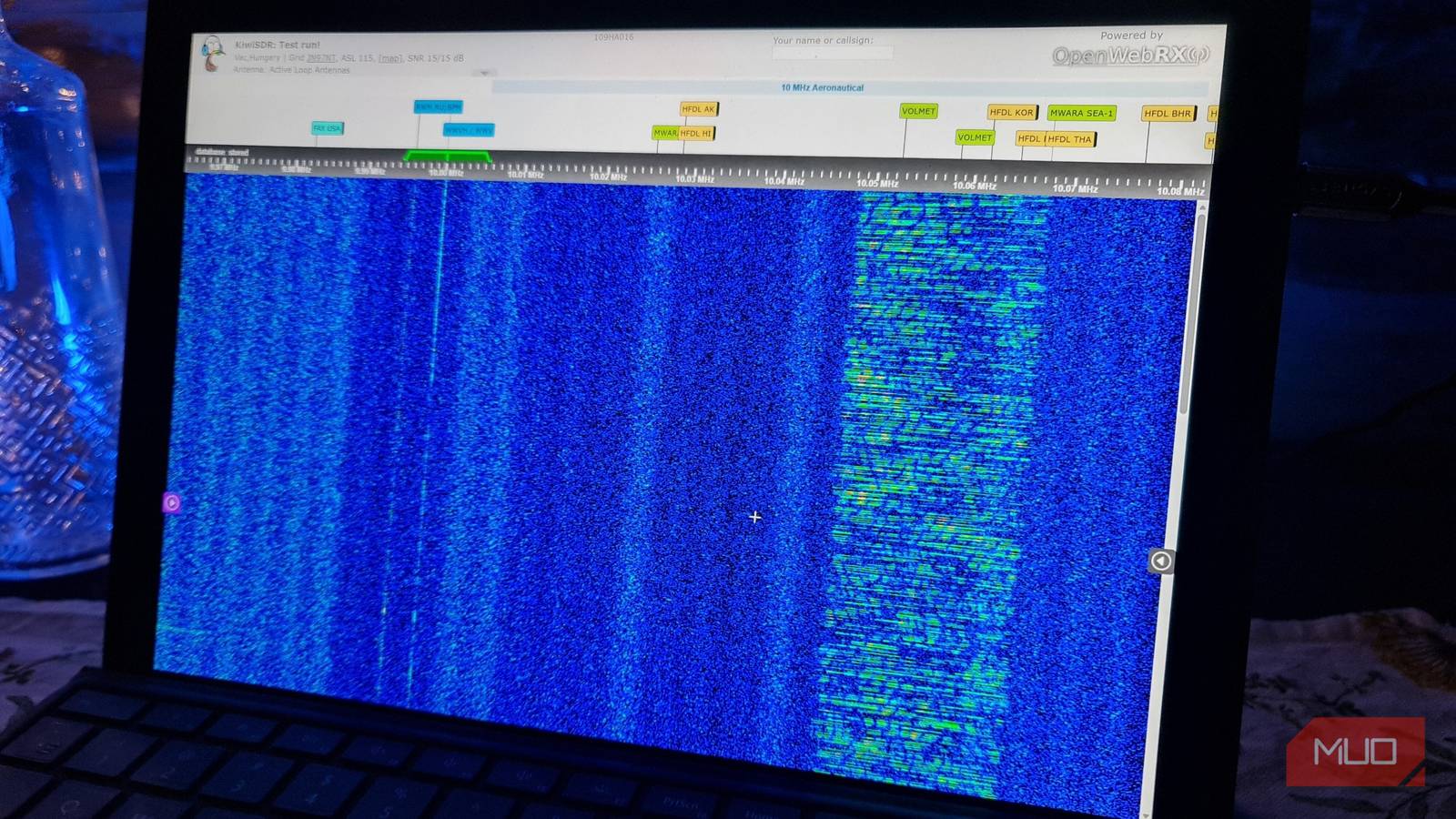
Shortwave radio has long captivated hobbyists and conspiracy theorists alike with its ability to transmit signals across continents. Among the most intriguing phenomena are the mysterious stations that broadcast repetitive tones, coded numbers, or eerie voice messages. The Russian Buzzer (UVB-76), the Skyking broadcasts, and a host of number stations represent some of the creepiest and most persistent radio signals on the airwaves.
What Makes Shortwave Radio Unique
Unlike VHF or UHF signals that travel in straight lines, high-frequency (HF) shortwave signals can bounce off the ionosphere and travel thousands of miles. This property, known as skywave propagation, allows a receiver in one country to pick up transmissions from another continent. For decades, this made shortwave essential for international broadcasting and military communications. Today, it also makes shortwave the perfect medium for oddities like the Buzzer and number stations, which intentionally remain obscure.
The Russian Buzzer – UVB-76
UVB-76, commonly referred to as The Buzzer, is a shortwave station that transmits a monotonous buzzing sound 24 hours a day on 4625 kHz (USB mode). It has been active since at least the 1970s and is believed to be a Russian military communication channel. The buzzing is occasionally interrupted by a Russian voice reading out call signs or messages. Despite decades of monitoring, its exact purpose remains unknown. The station has changed call signs multiple times and is often targeted by pirate broadcasters who overlay music or strange sounds. Online SDR receivers (software-defined radios) allow anyone to listen live by tuning to 4625 kHz USB. The sheer persistence of this dull, repetitive noise – and the mystery of who is keeping it running – has made UVB-76 a legend among radio enthusiasts.
Skyking – Military Priority Broadcasts
Another famous shortwave mystery is the "Skyking" message, part of the U.S. High Frequency Global Communications System (HFGCS). On frequencies like 8992 kHz and 11175 kHz (USB), one can occasionally hear a voice saying "Skyking, Skyking, do not answer." This is a high-priority, encrypted broadcast used for Emergency Action Messages (EAMs). The phrase became famous on forums around 2010 when the first public WebSDR went online. While many listeners hope to catch this dramatic transmission, patience is required – HFGCS channels are mostly quiet. But when they come alive, they offer a glimpse into real-world military communication protocols.
Number Stations – The Voice of Espionage
Perhaps the most unsettling shortwave signals are number stations. These stations broadcast sequences of numbers, letters, or code groups spoken by a calm, often female, voice. The most famous examples include HM01 (Cuban, with Spanish voice and digital bursts) and E11 "Oblique" (English-speaking, with scheduled transmissions). These broadcasts are widely believed to be one-way messages to intelligence operatives in the field. The listener lacks the decoding key, so the content remains deliberately obscure. Number stations operate on strict schedules. HM01 can be heard on 9330, 10345, 11435, and 11530 kHz (AM). E11 transmits on various frequencies depending on the day of the week – for example, Monday–Wednesday at 8102 and 12630 kHz. The use of a calm, robotic voice reciting digits adds a deeply creepy layer. The fact that these stations are still active in the 21st century, decades after the Cold War supposedly ended, fuels endless fascination.
Time Signal Stations – The Listening Benchmarks
Not all shortwave signals are mysterious. Time signal stations like WWV (USA) and CHU (Canada) broadcast continuous time announcements and tick sounds. WWV can be found on 2.5, 5, 10, 15, and 20 MHz (AM), while CHU operates on 3330, 7850, and 14670 kHz. These stations serve as reliable benchmarks for radio operators. Learning to identify these predictable signals helps enthusiasts differentiate between ordinary utility broadcasts and truly weird ones.
How to Listen Using Online SDRs
The golden age of shortwave listening has been revived by software-defined radios available through web browsers. Websites like rx-tx.info aggregate SDR receivers around the world. KiwiSDR, OpenWebRX, and WebSDR are common platforms. KiwiSDR (purple markers) often have pre-tagged interesting frequencies. OpenWebRX (green) offers more custom features but can be noisier. WebSDR (blue) denotes high-quality research receivers. To catch the best signals, choose receivers located in areas where it is currently night – skywave propagation is strongest then. Tune to the known frequencies using USB (for most military and utility signals) or AM (for number stations and time signals).
The Appeal of the Unexplained
The enduring allure of shortwave radio lies in its ability to remain hidden. Unlike internet traffic, these signals are analog, unencrypted (in terms of modulation), and available to anyone with a receiver. The mystery stations – the Buzzer, Skyking, number stations – are real, active, and only half-explained. They evoke a sense of a parallel world of surveillance, diplomacy, and secrets. For the curious listener, diving into shortwave offers a direct connection to that world, without needing a license or expensive gear. The Priyom.org database catalogs schedules for number stations, making it easier than ever to plan a listening session.
Source: MakeUseOf News